Sponsored article
Polish Pottery in Everyday Family Table Rituals
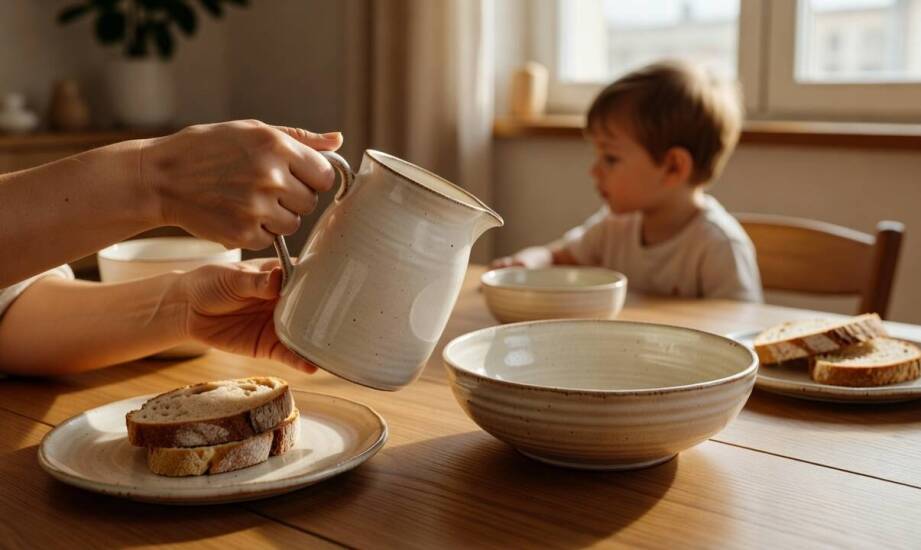
- A Pottery Tradition Developed Over Centuries
- From Bunzlau Stoneware to the Famous Stamped Decoration
- Why Can Tableware Become Part of a Family Tradition?
- Why Is Bolesławiec Stoneware Practical for Everyday Use?
- Hand Decoration Makes Everyday Objects More Individual
- How Can Polish Pottery Be Used Throughout the Day?
- Matching Does Not Have to Mean Identical
- From Traditional Cobalt to Contemporary Colours
- Polish Pottery for Everyday Life, Not Only Special Occasions
- Tradition in a Contemporary Manufactory
- Why Does Polish Pottery Work So Well at the Family Table?
A family table is more than a place where food is served. The tableware we use every day helps create the atmosphere of breakfast, an evening meal or a long conversation over tea.
Hand-decorated plates, mugs, bowls and teapots can make even an ordinary meal feel more deliberate. Instead of saving decorative tableware exclusively for special occasions, many people prefer pieces that combine craftsmanship with the practical qualities required for everyday use.
This is one of the reasons traditional Bolesławiec stoneware continues to work so well in contemporary homes. Its distinctive decoration brings character to the table, while modern production allows the ceramics to remain practical for regular meals.
A Pottery Tradition Developed Over Centuries
The ceramic tradition of Bolesławiec has deep historical roots.
The oldest written reference to a potter connected with the town dates to 1380, while historical sources record several local pottery workshops during the 15th century. The earliest surviving reference to the Bolesławiec potters’ guild dates from 1511.
The development of the craft was supported by local deposits of clay suitable for stoneware production in the region around the Bóbr and Kwisa rivers.
Early pottery was primarily functional. Workshops produced vessels needed in everyday households, including pots, jugs and other practical forms.
Over time, however, local craftsmen developed increasingly sophisticated techniques of shaping, glazing and decoration.
From Bunzlau Stoneware to the Famous Stamped Decoration
The appearance of Bolesławiec pottery changed considerably over the centuries.
Earlier stoneware was often associated with brown glazes and relief decoration. During the 19th century, technological developments introduced new ceramic bodies, forms and surface treatments.
A particularly important change came around 1882, when stamped decoration began to appear in Bolesławiec, historically known as Bunzlau.
Using small sponge stamps, decorators created repeating motifs in colours such as cobalt blue and green.
Dots, rosettes and the famous peacock-eye motif gradually became strongly associated with the regional ceramic tradition.
The stamping technique continued to develop during the following decades and, after 1945, pottery production in Bolesławiec was rebuilt and continued within Poland.
Today, these historic influences remain visible in contemporary Polish stoneware while manufacturers also introduce new colours, patterns and forms.
Why Can Tableware Become Part of a Family Tradition?
Objects used regularly at the table often become connected with particular memories.
A favourite mug may be associated with slow weekend breakfasts. A serving bowl can become part of every family celebration. A teapot may appear whenever relatives or friends spend an evening together.
For this reason, durable tableware can gradually become more than a collection of practical objects.
Well-cared-for polish pottery can remain in use for many years and may eventually become associated with family traditions or be passed on as a personal keepsake.
Its value is not created solely by age. It comes from the combination of craftsmanship, regular use and the memories attached to the pieces.
Why Is Bolesławiec Stoneware Practical for Everyday Use?
Traditional appearance does not mean that contemporary Bolesławiec pottery needs to be treated only as decorative tableware.
Modern stoneware produced by Manufaktura undergoes a multi-stage production process.
After shaping and drying, the pieces are first fired at approximately 900°C. The bisque ware is then decorated by hand using stamps and brushes, covered with glaze and fired again at around 1250°C.
The high-temperature firing creates dense stoneware with a durable glazed surface.
Contemporary pieces from the manufacturer are designed for everyday kitchen use and can be:
washed in a dishwasher;
used in a microwave;
used for serving both hot and cold foods.
This makes it possible to combine hand-applied decoration with the convenience expected from modern tableware.
Hand Decoration Makes Everyday Objects More Individual
One of the most recognisable features of Bolesławiec pottery is its hand-applied decoration.
Decorators use stamps and brushes to build patterns directly on each ceramic piece before glazing.
The motifs may be repeated across a collection, but the manual process creates small differences in placement, pressure and composition.
These subtle variations are part of the handcrafted character of the tableware.
A set therefore does not have to look completely mechanically identical in order to feel coordinated.
This can make everyday table settings look less formal and more personal, particularly when several related patterns are combined.
How Can Polish Pottery Be Used Throughout the Day?
One advantage of stoneware tableware is that the same collection can serve very different purposes during the day.
Breakfast
Mugs, cups and smaller plates work naturally for coffee, tea, bread, pastries or fruit.
A hand-decorated mug can make a quick weekday breakfast feel more considered without requiring a formal table setting.
On slower mornings, cups with saucers, serving dishes and small bowls can create a more complete arrangement.
Lunch and dinner
Larger plates, bowls and serving dishes allow the decorative stoneware to move from individual place settings to the centre of the table.
A wide bowl can be used for:
salads;
vegetables;
side dishes;
pasta;
dumplings;
shared snacks.
Serving food from the same family of patterns also creates visual continuity across the table.
Afternoon tea
A teapot can naturally become the central element of a tea setting.
For example, the current Manufaktura collection includes 1.5-litre teapots, together with cups, sugar bowls, creamers and matching warmers.
This makes it possible to create either a fully coordinated tea set or combine several related patterns.
Desserts and evening meals
Smaller plates used for breakfast can easily return later in the day for cake, fruit or other desserts.
The same tableware therefore does not need to be assigned to one particular meal.
That flexibility is one of the characteristics that makes decorative stoneware practical in everyday family life.
Matching Does Not Have to Mean Identical
A family table does not need every item to come from exactly the same pattern.
Bolesławiec pottery is particularly suitable for mixing because many designs share a common visual language: light stoneware, cobalt blue, repeated stamping and botanical or geometric motifs.
A collection can therefore grow gradually.
You might start with mugs and plates, then add:
bowls;
serving dishes;
a teapot;
a sugar bowl;
a creamer;
larger dinner plates.
Patterns can be matched precisely or combined through similar colours.
This makes it easier to build a personal tableware collection over time instead of purchasing one rigidly defined service.
From Traditional Cobalt to Contemporary Colours
Blue-and-white decoration remains one of the visual signatures of Bolesławiec pottery.
Cobalt patterns have been associated with the region for generations, particularly through stamped decoration.
Contemporary collections, however, are not limited to blue.
The manufacturer also uses colours including green, brown and deep red, allowing traditional stamping techniques to appear in more modern combinations.
This variety makes the pottery adaptable to different interiors.
Classic cobalt can work well with:
natural wood;
white kitchens;
linen textiles;
Scandinavian-inspired interiors.
More colourful designs can serve as stronger accents on a neutral table.
Polish Pottery for Everyday Life, Not Only Special Occasions
Hand-decorated ceramics are sometimes treated as objects that should be protected and reserved for celebrations.
Bolesławiec stoneware offers a different possibility.
Its decorative value can become part of everyday routines rather than something separated from them.
A mug can be used for the first coffee of the day. A serving bowl can appear at a weekday dinner. The same plates can later form part of a birthday or holiday table.
This repeated use is what allows objects to become connected with family habits.
Tradition in a Contemporary Manufactory
Manufaktura in Bolesławiec continues the regional stoneware tradition using hand-decoration alongside contemporary production methods.
Its current range includes tableware and serving pieces such as cups, mugs, plates, bowls, teapots, sugar bowls, creamers and platters.
The production process combines traditional stamping and brush decoration with controlled firing and glazing.
This allows the pottery to retain its recognisable handcrafted appearance while remaining suitable for modern household routines.
Why Does Polish Pottery Work So Well at the Family Table?
The appeal of Bolesławiec tableware comes from the combination of several qualities.
It offers:
a recognisable regional craft tradition;
hand-applied decoration;
practical stoneware construction;
a wide selection of everyday forms;
the possibility of combining different patterns;
dishwasher and microwave convenience for contemporary use.
More importantly, these qualities allow decorative objects to become part of ordinary life.
Polish pottery does not have to wait in a cupboard for a special occasion.
Used every day, it can become connected with breakfasts, dinners, conversations and celebrations — the small repeated moments that gradually create a family tradition.
Article categories
You might be interested
